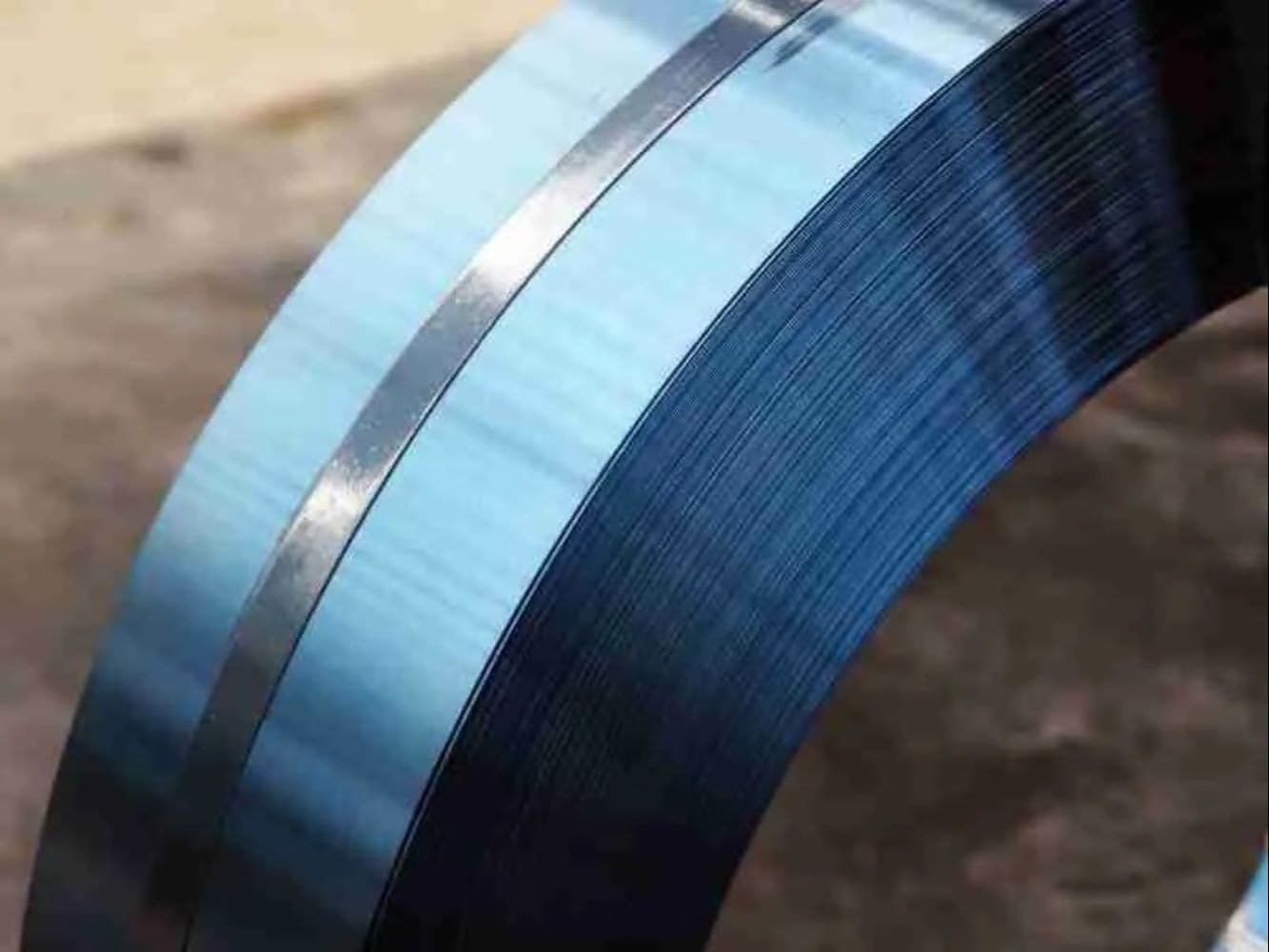
What Is Stainless Steel?
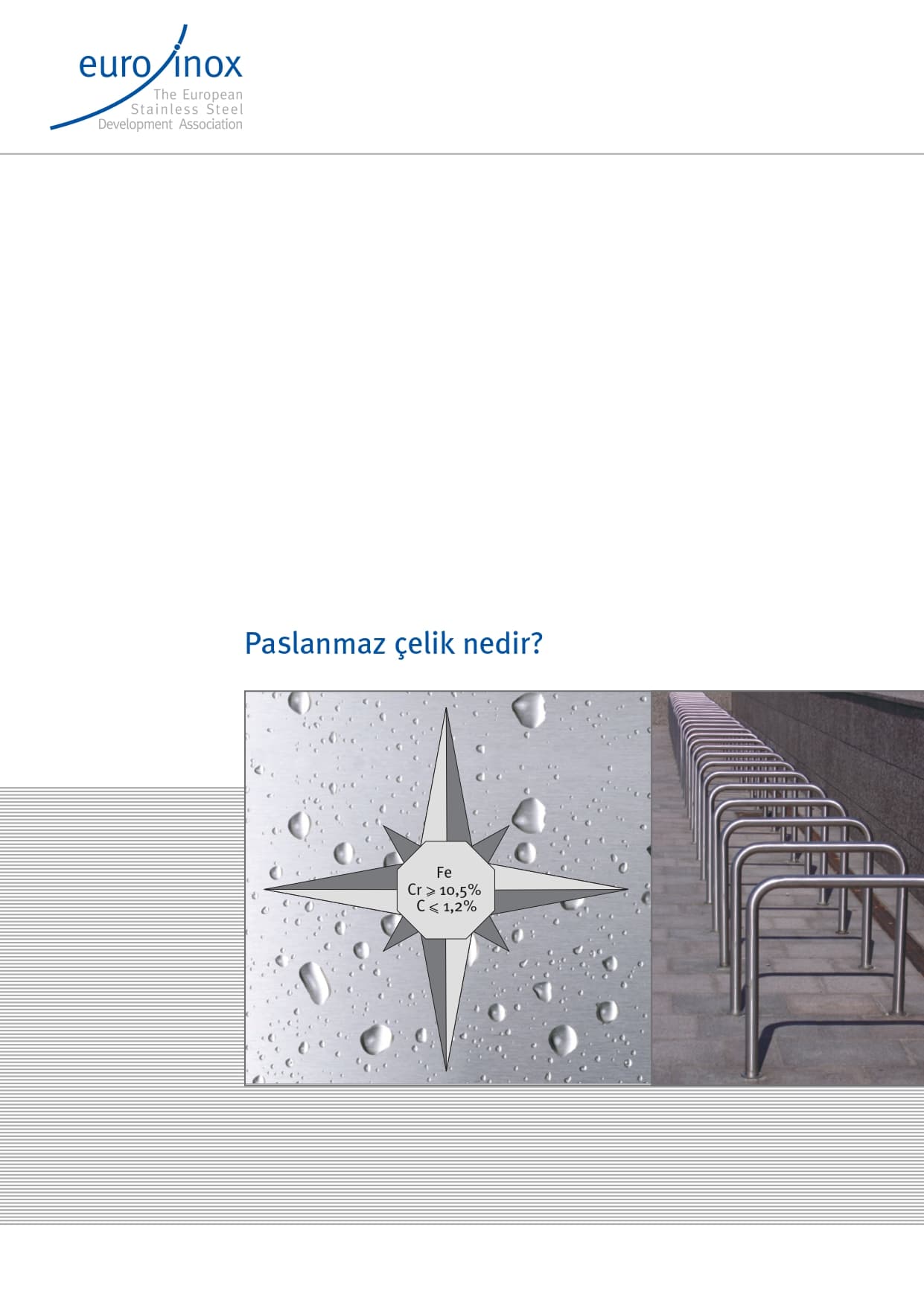
Stainless steels are among the most widely used steels today thanks to their strong resistance to corrosion. They typically contain at least 10.5% Cr (chromium) and 1.2% or less C (carbon). This composition forms a self-healing surface film (a passive layer) that protects the material against corrosion.
History
Stainless steel was developed in the early 1900s—before World War I—through the individual and joint efforts of European steelmakers and was patented in 1912. Since then, it has evolved through many stages and earned a place across a wide range of applications, bringing major practical and economic benefits to both industry and everyday life. It is especially valued in products and facilities where hygiene is essential. Its steadily growing use is a clear indicator of quality and long-term value.
Corrosion resistance
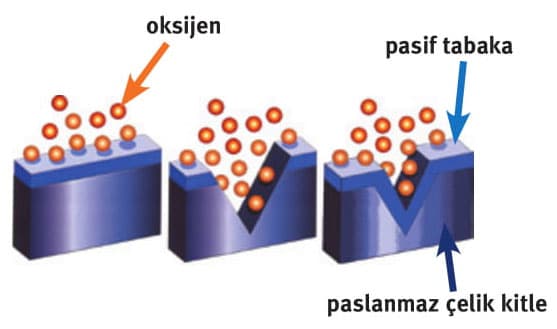
Chromium migrates to the surface of the steel and forms a chromium-oxide layer that prevents the iron from oxidizing. This film is extremely thin and does not negatively affect the material’s mechanical properties. Nickel (Ni) is also commonly used as an alloying element—enhancing stainless performance and providing excellent corrosion resistance.
Main groups
- Austenitic: Iron–chromium–nickel, carbon < 0.1% (including 1.4301/304, often known as 18/8 or 18/10). Non-magnetic in the supplied condition; share of global stainless use is > 65%.
- Ferritic: Iron–chromium, carbon < 0.1%, magnetic.
- Martensitic: Iron–chromium, carbon > 0.1%, magnetic and can be hardened.
- Duplex: Iron–chromium–nickel with a combined austenitic–ferritic structure, magnetic.
Key properties
- Corrosion resistance
- Aesthetic appeal
- Heat resistance
- Low life-cycle cost
- Fully recyclable
- Biologically inert
- Easy to fabricate and clean
- High strength-to-weight ratio
Why Doesn’t Stainless Steel Rust?
Steel is an alloy made primarily of iron plus other elements. It typically contains carbon, phosphorus, silicon, and small amounts of aluminum. These elements help prevent shifts in iron’s crystal structure and contribute to hardness. Elements such as nickel, chromium, boron, titanium, manganese, and vanadium may also be added in varying amounts to tailor the steel’s properties for specific needs.
Rust forms when iron reacts with oxygen. In conventional steels, the iron in the alloy gradually reacts with oxygen in the air, producing rust. The rust layer is active and encourages further corrosion.
Stainless steel is highly resistant to rusting, staining, and wear. This performance comes from chromium—present at a minimum of 10.5%. When chromium is available in sufficient amounts, oxidation creates a chromium-oxide layer on the surface. This invisible, ultra-thin film gives the alloy its bright appearance and blocks water and air from reaching the underlying metal, preventing corrosion from spreading inward. If the surface is scratched, the chromium-oxide layer can form again, helping stainless steel products last longer. Stainless steel is also fully recyclable.
Why Choose Stainless Steel?
- High corrosion resistance
- Excellent performance at high temperatures and in fire conditions
- A modern, attractive look with long-lasting, sustainable aesthetics
- Cost-effective over time thanks to long service life and low long-term costs
- Maintains its quality over time and retains lasting value
- Supports public health and food safety
- Easy, low-effort cleaning
- Reusable and recyclable
- A responsible choice for the future of our planet
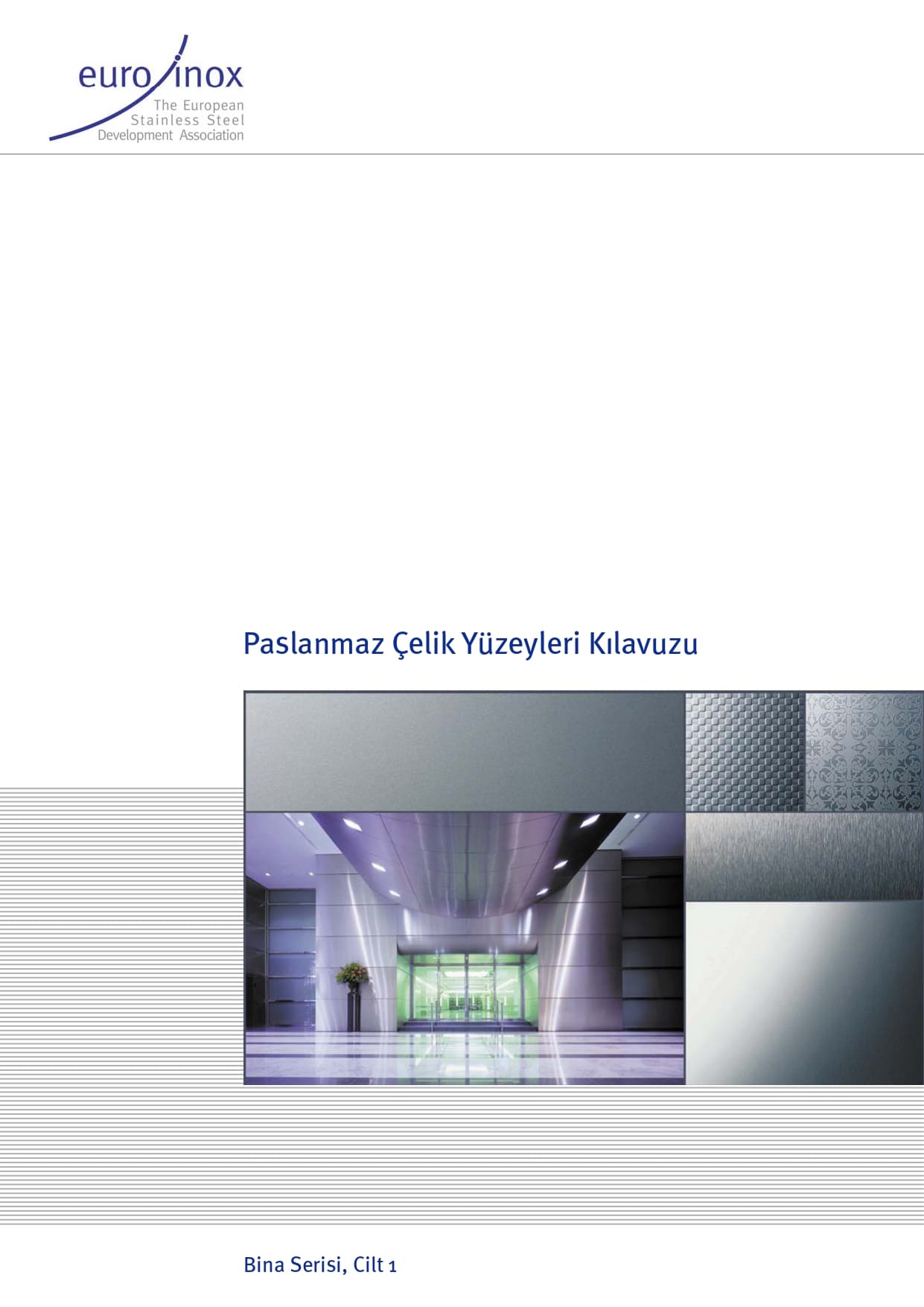
Surface Finishes and Process Routes
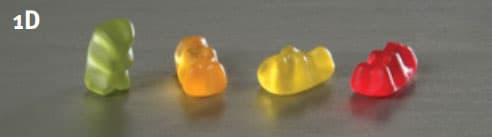
Hot rolled, heat treated, and pickled.
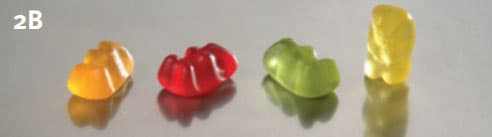
Cold rolled, heat treated, pickled, and skin passed.
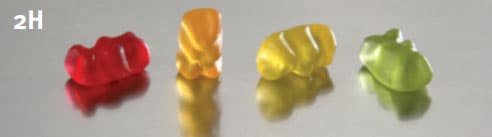
Work hardened.
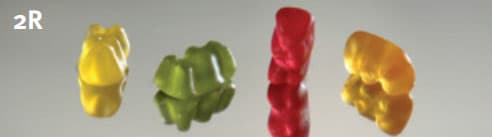
Cold rolled, bright annealed, and possibly skin passed.
Knowledge Base
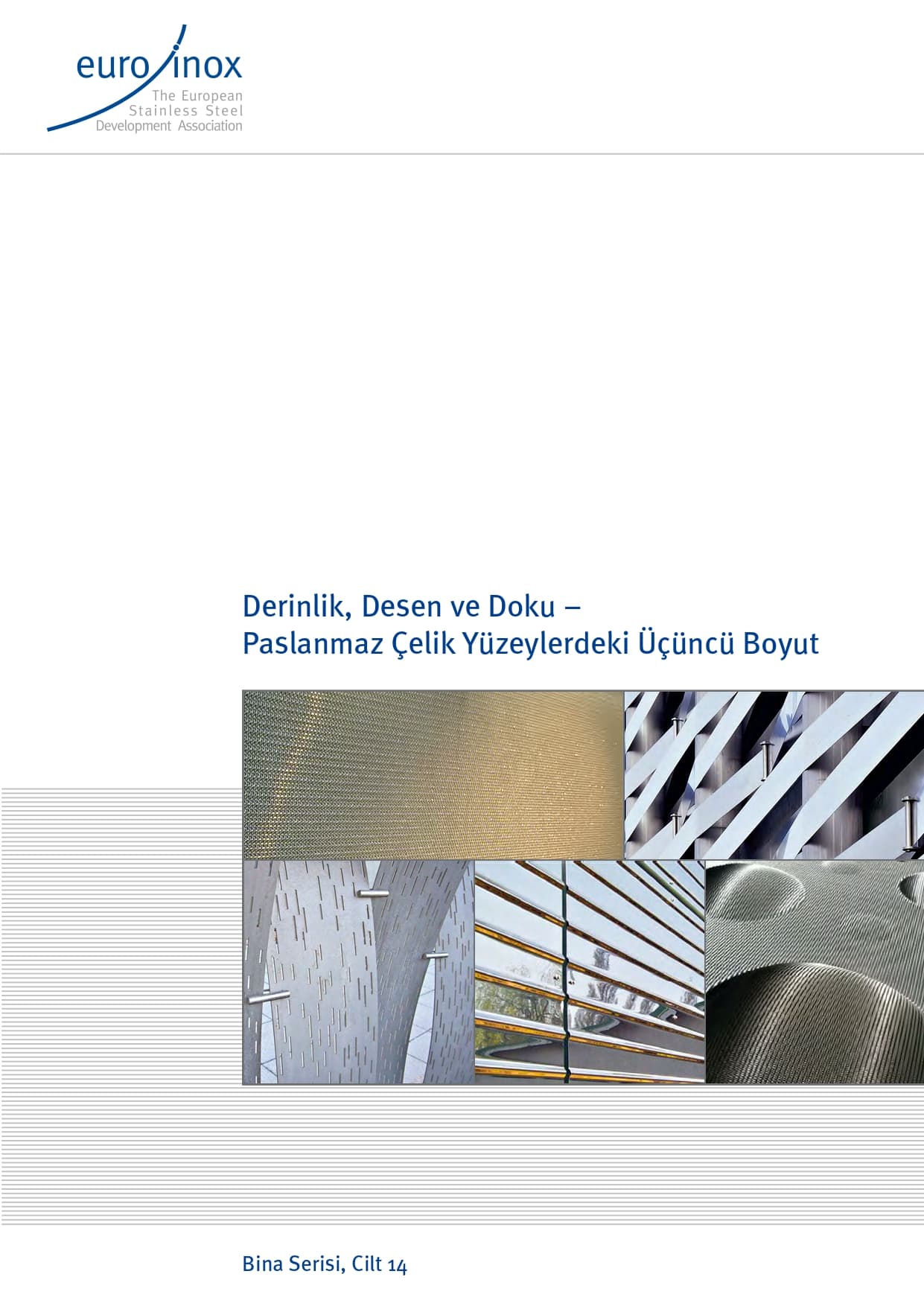
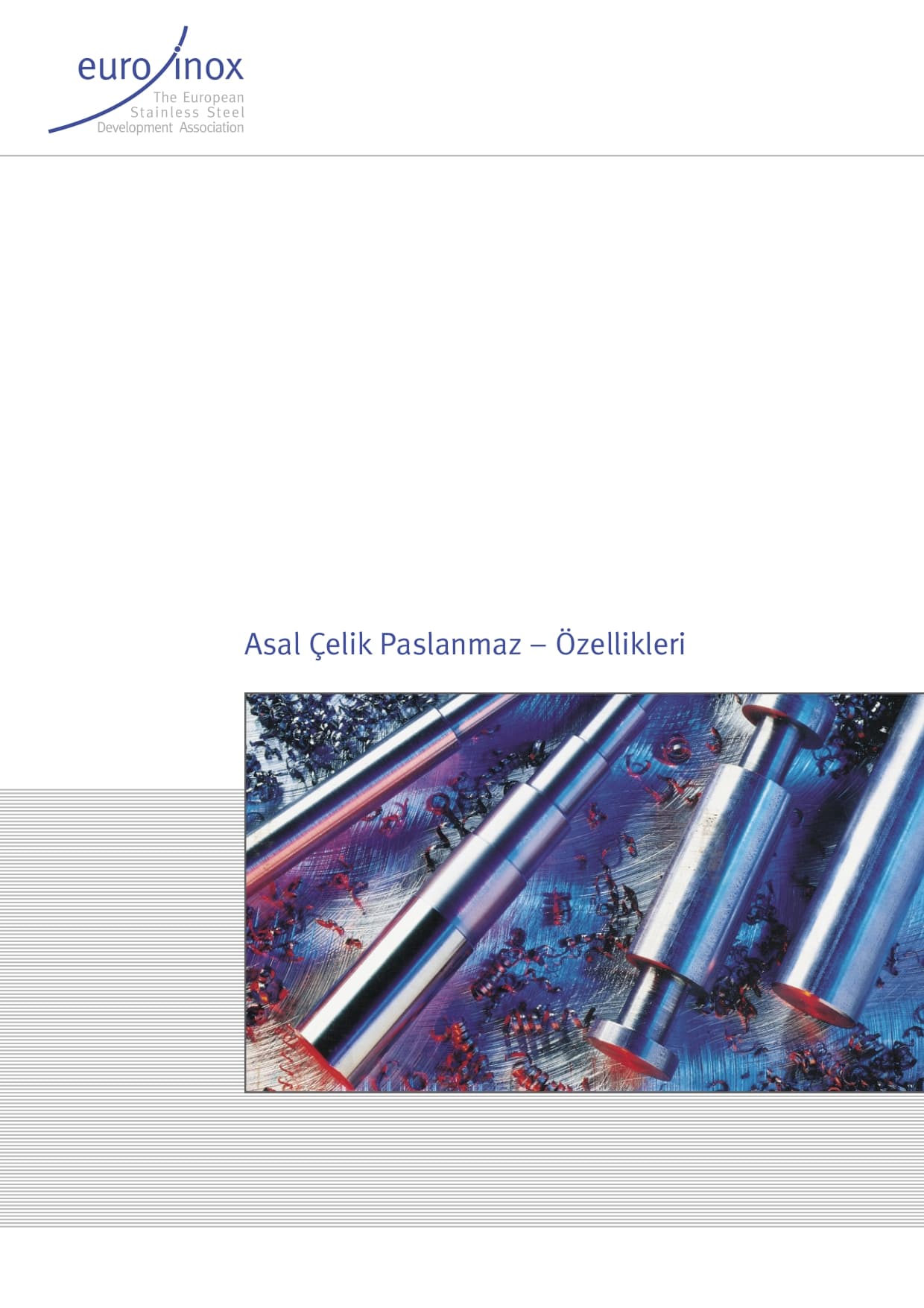
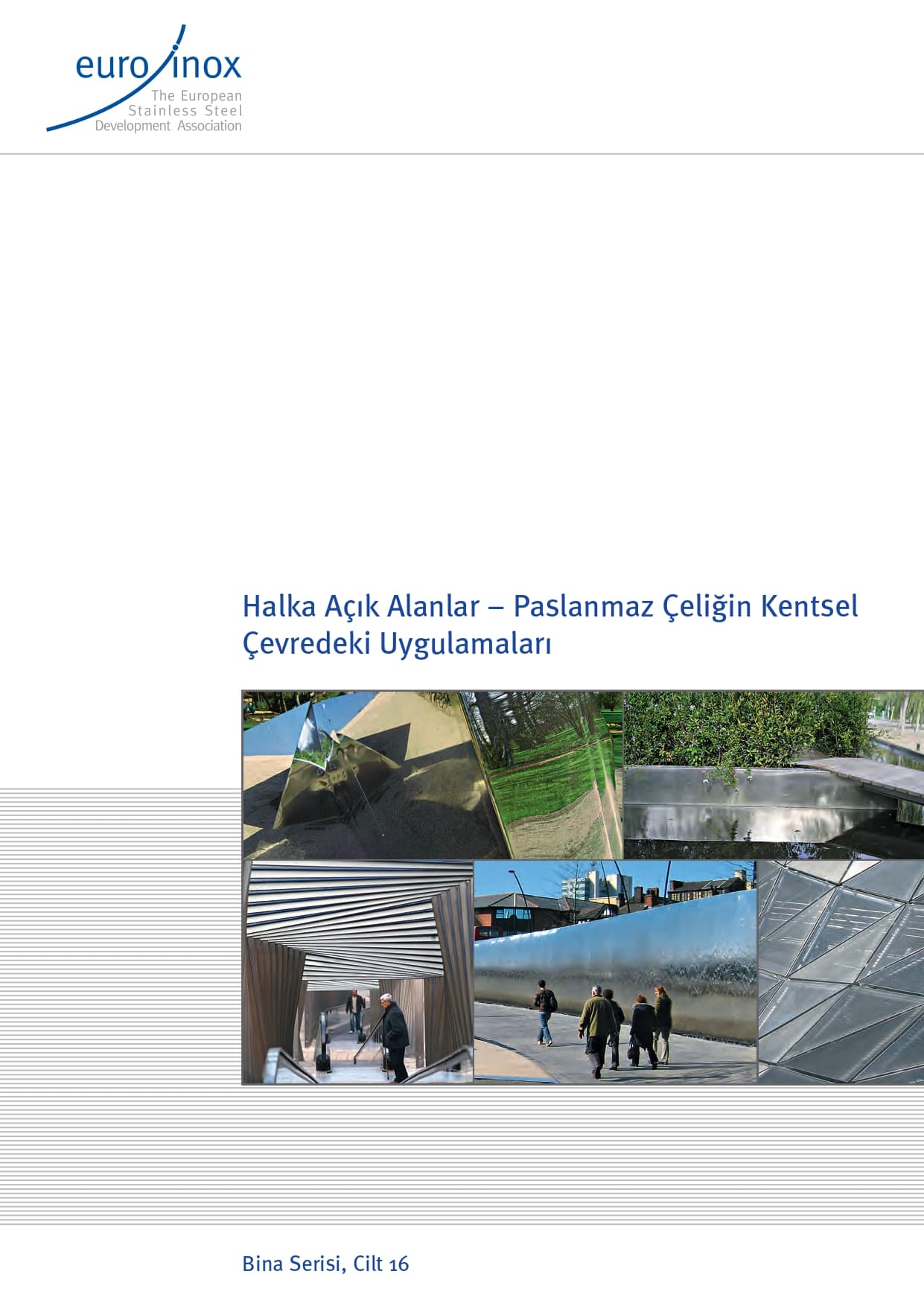
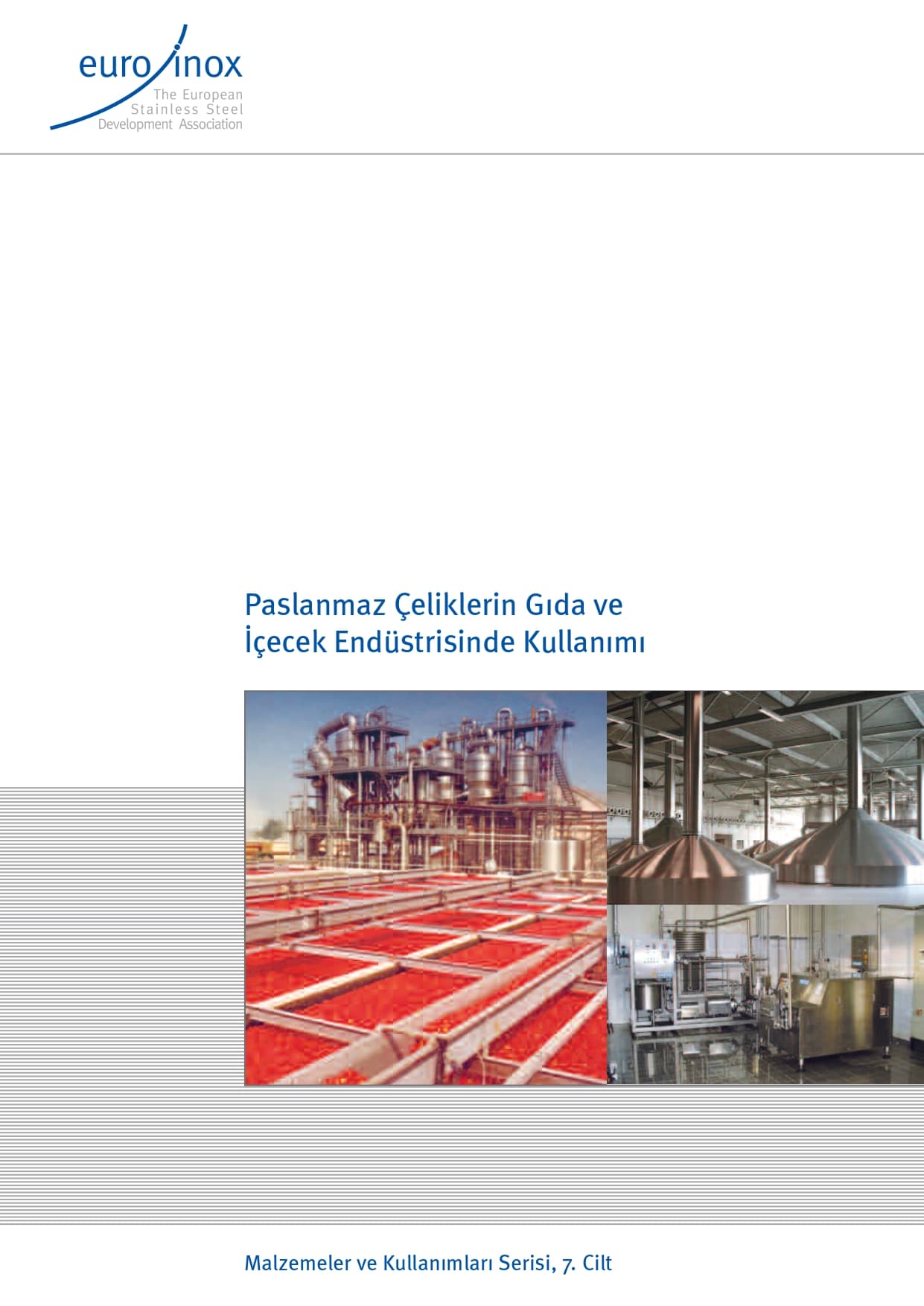
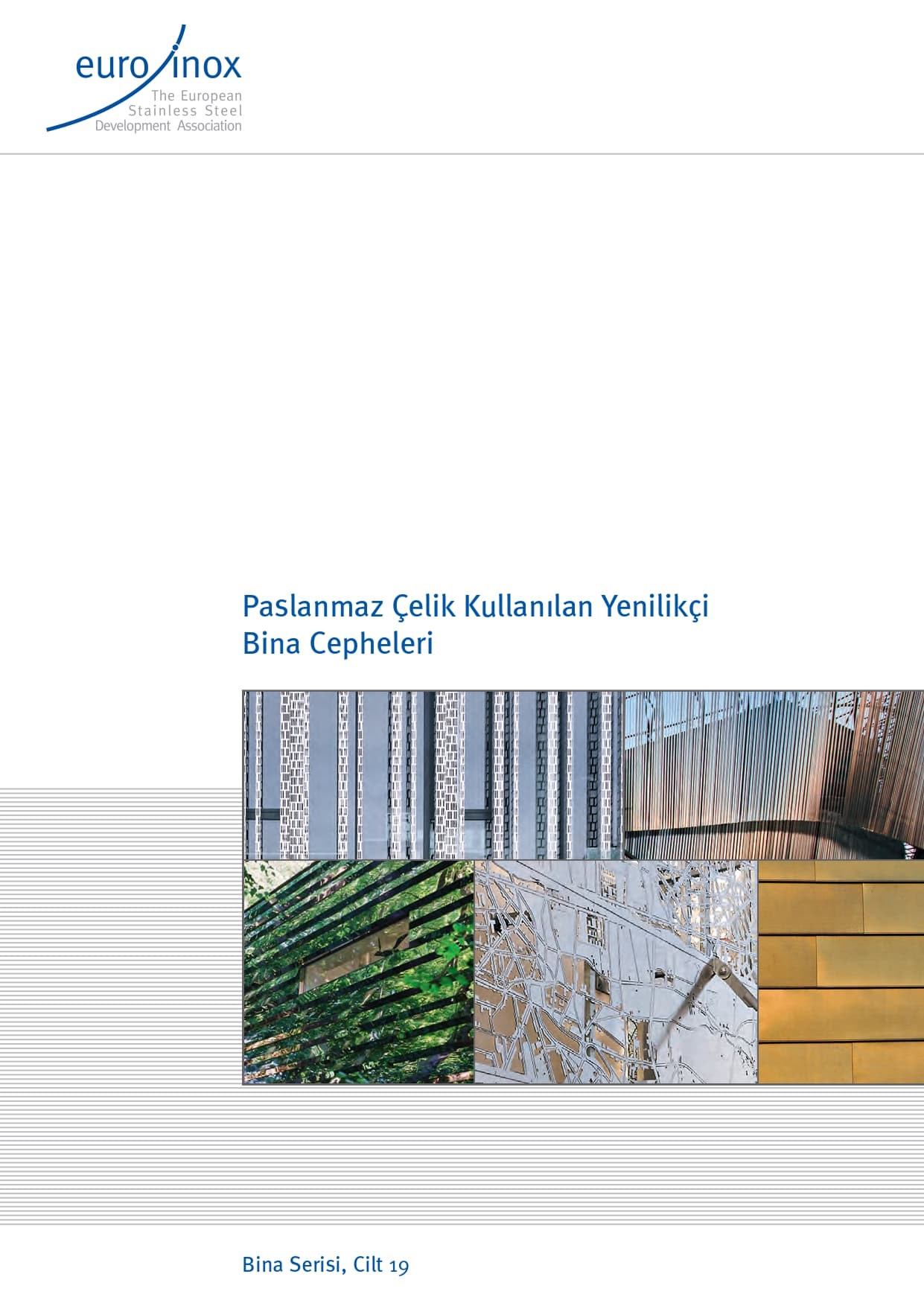
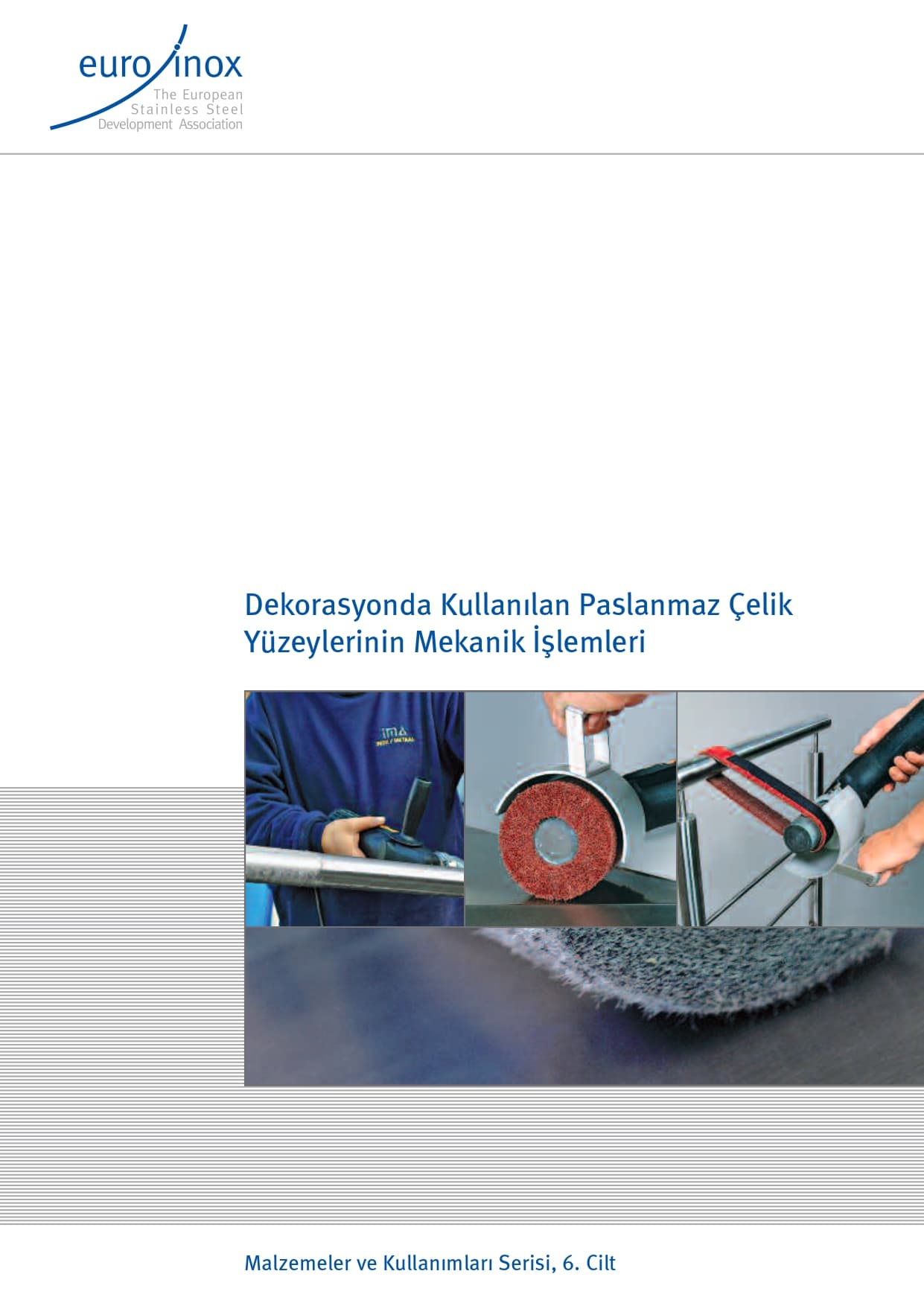
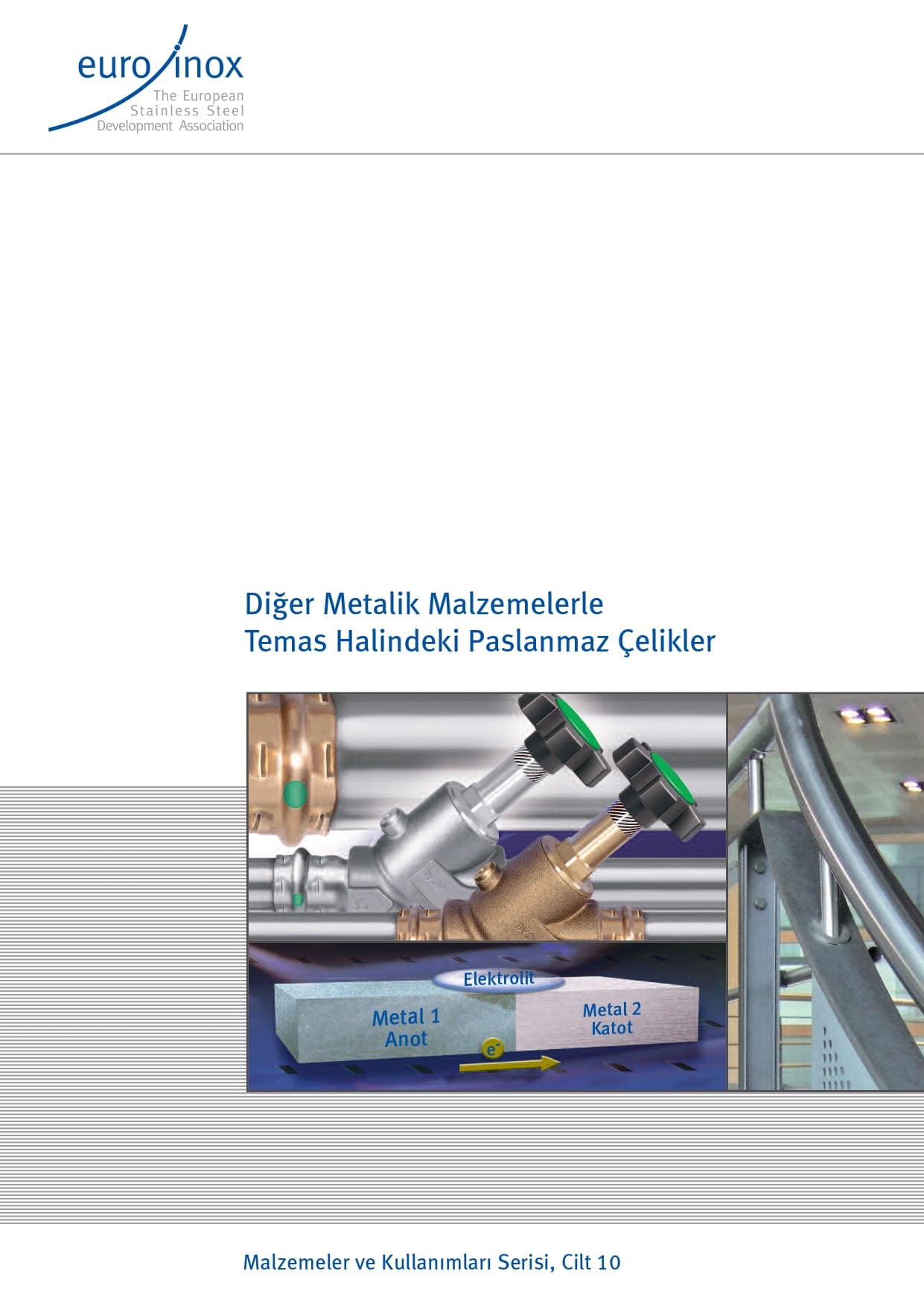
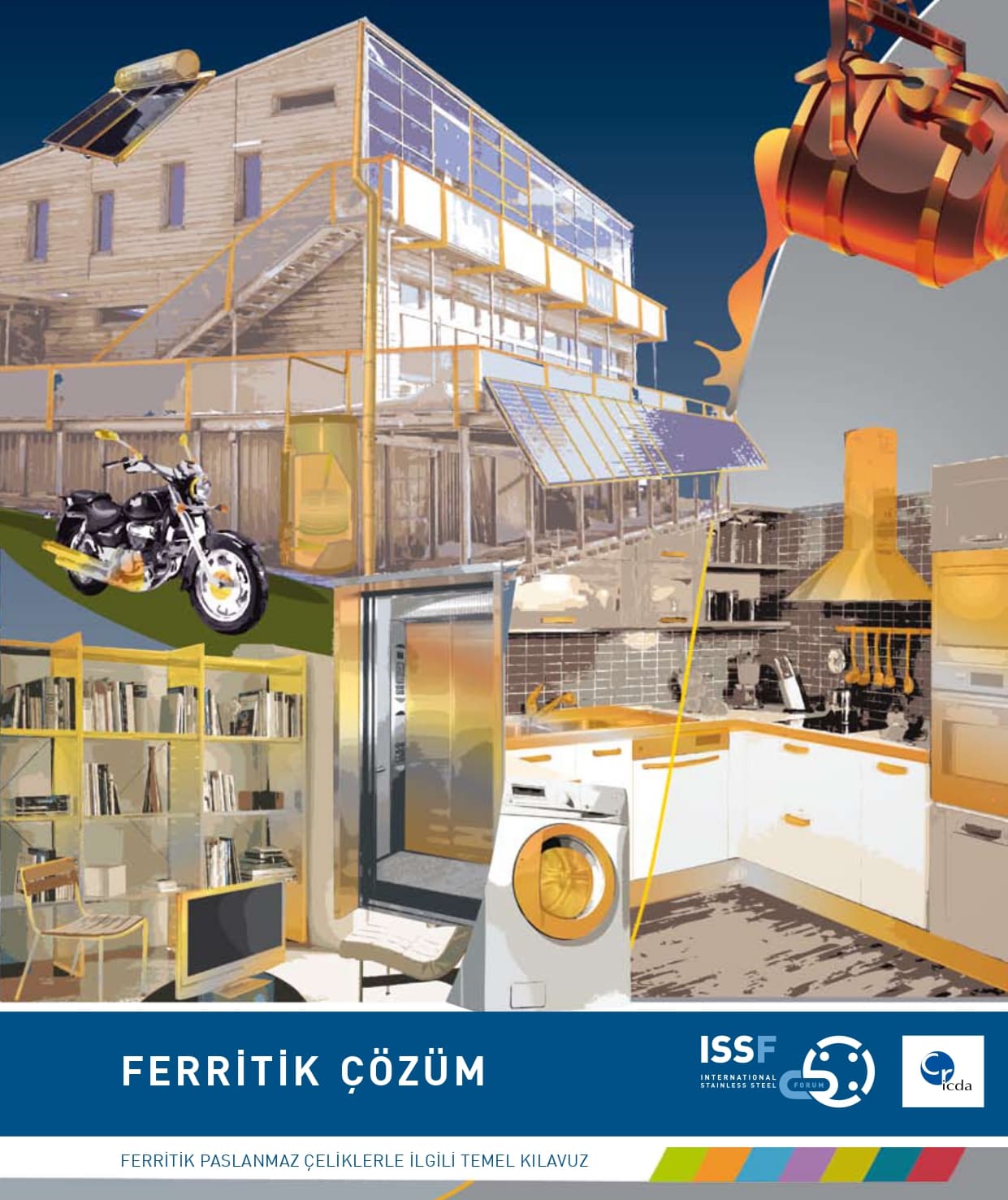
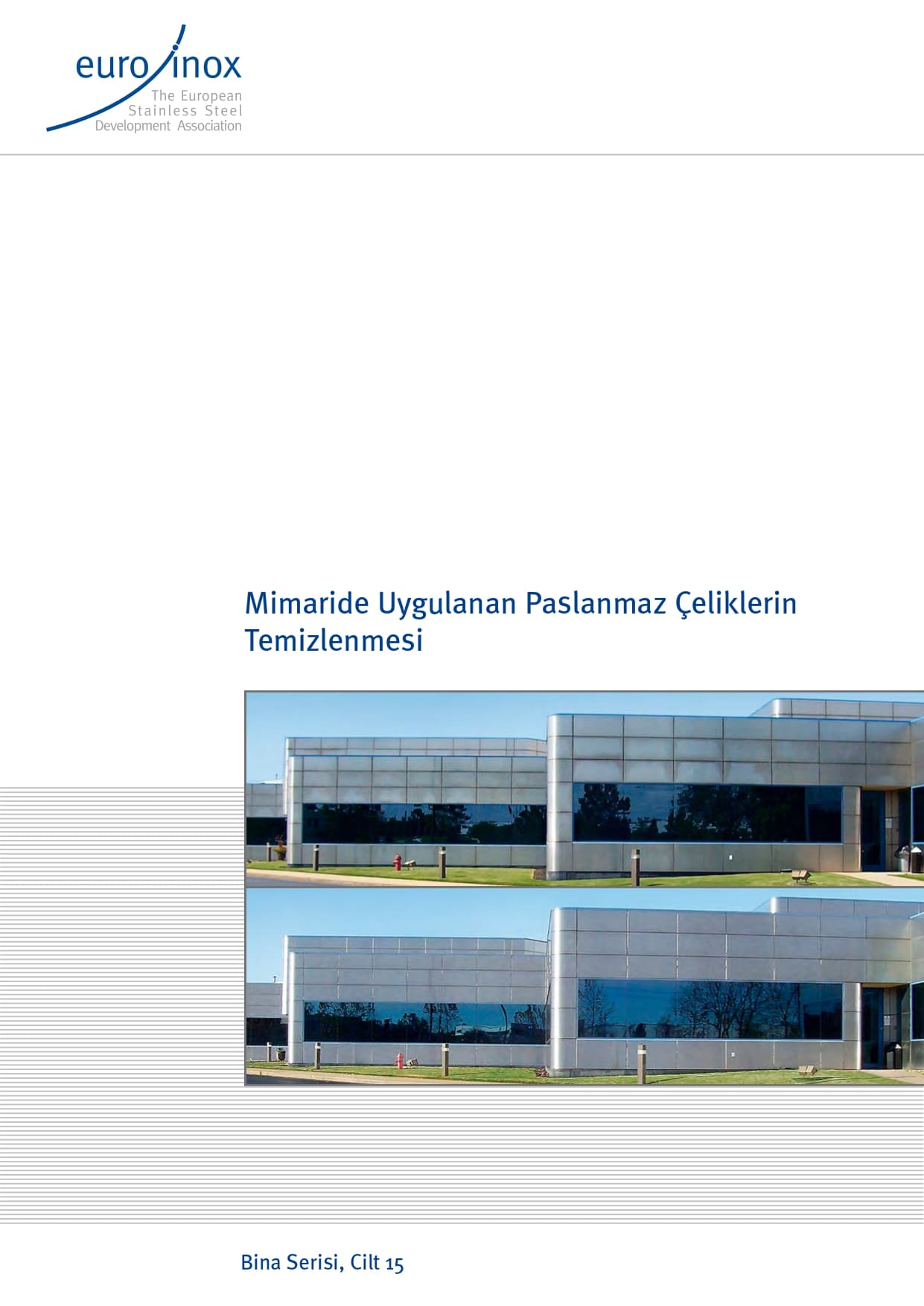
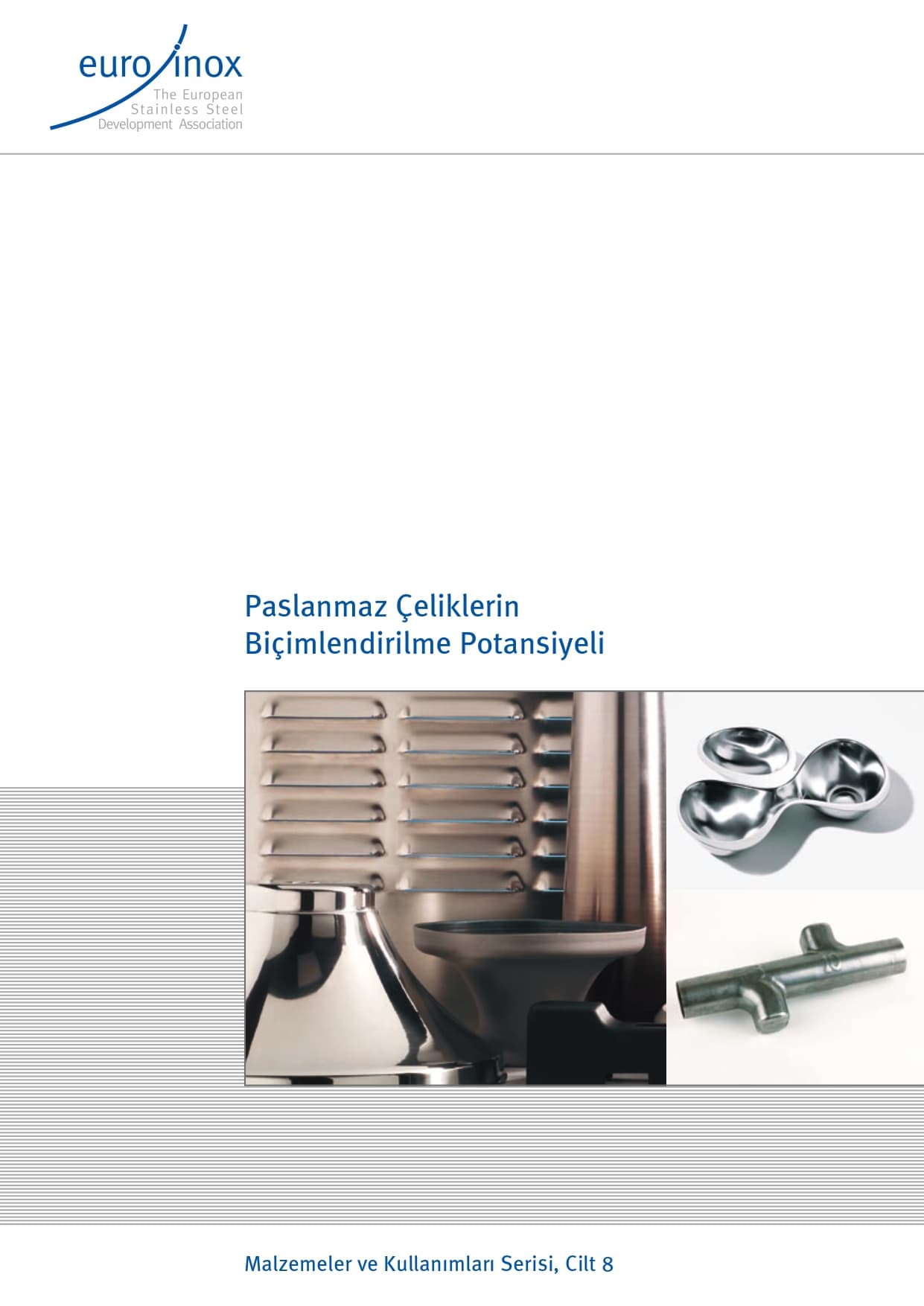
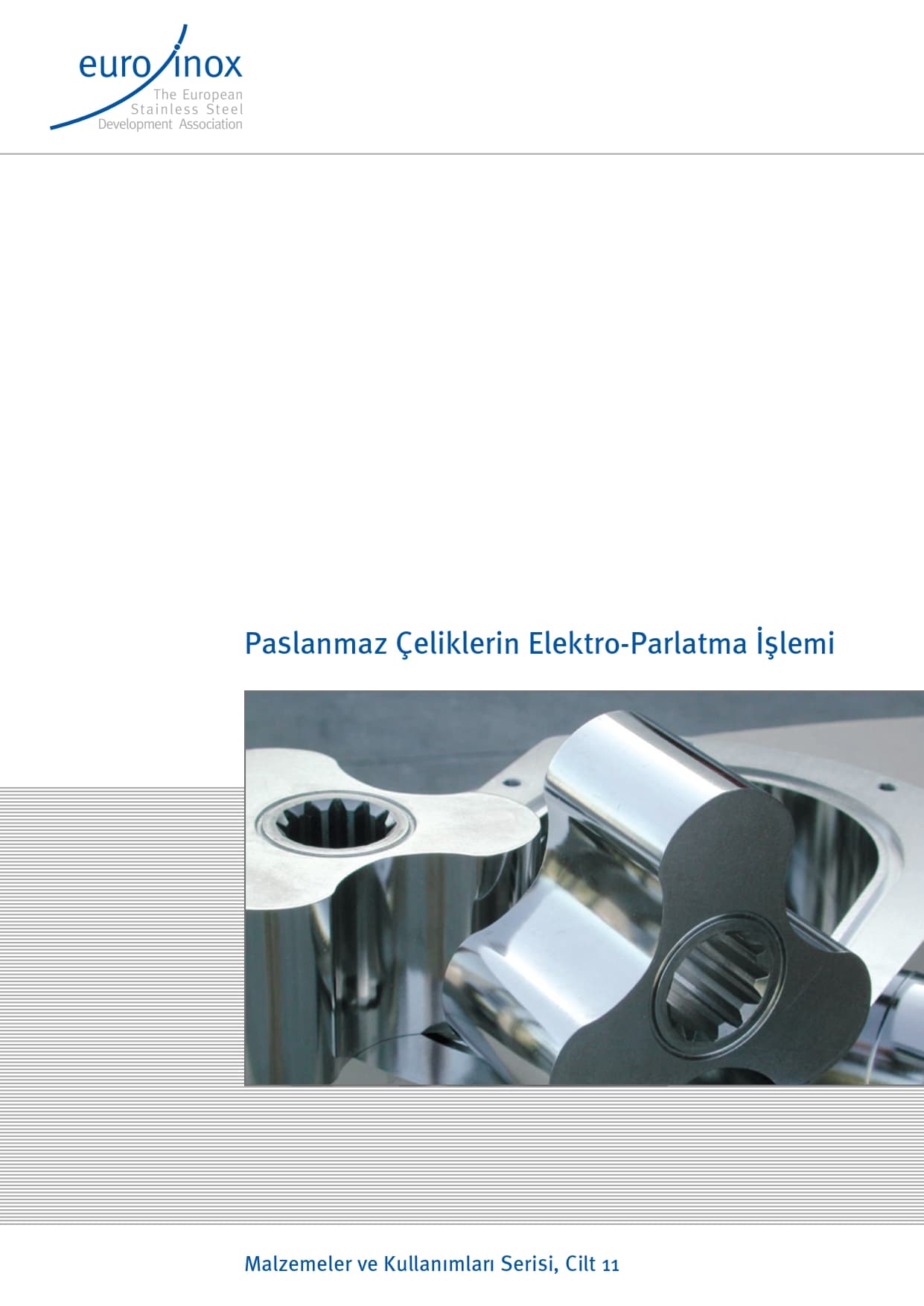
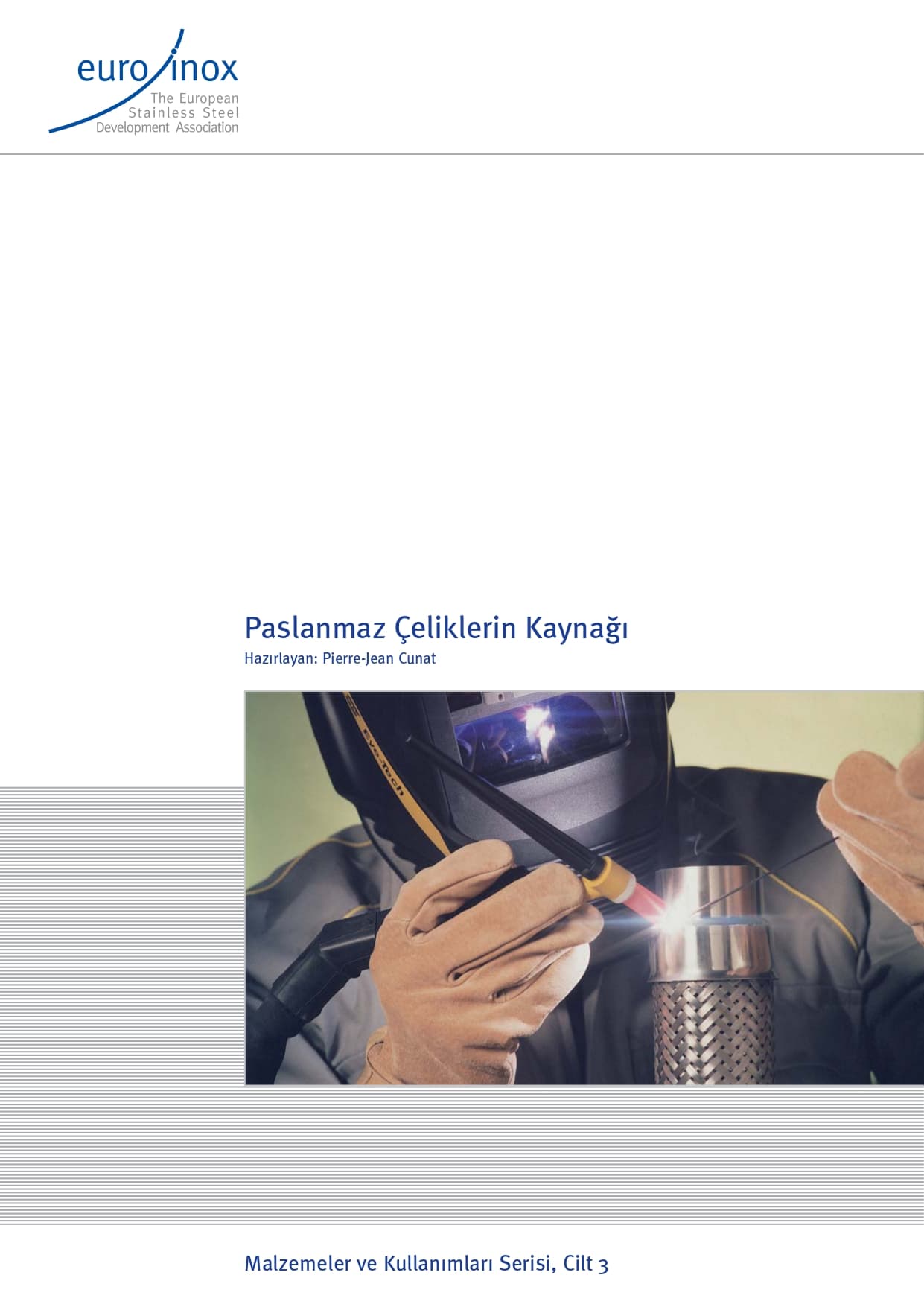
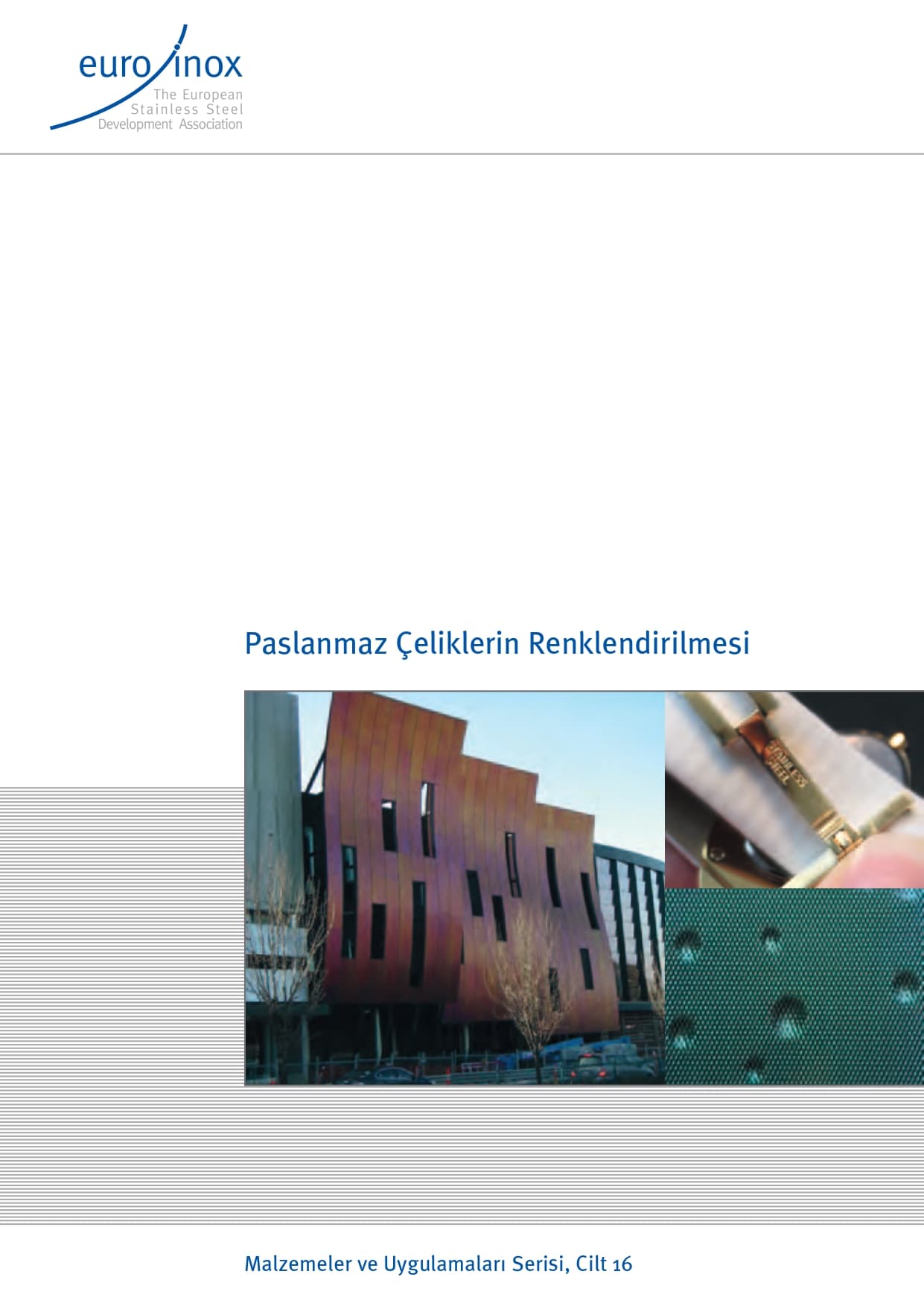
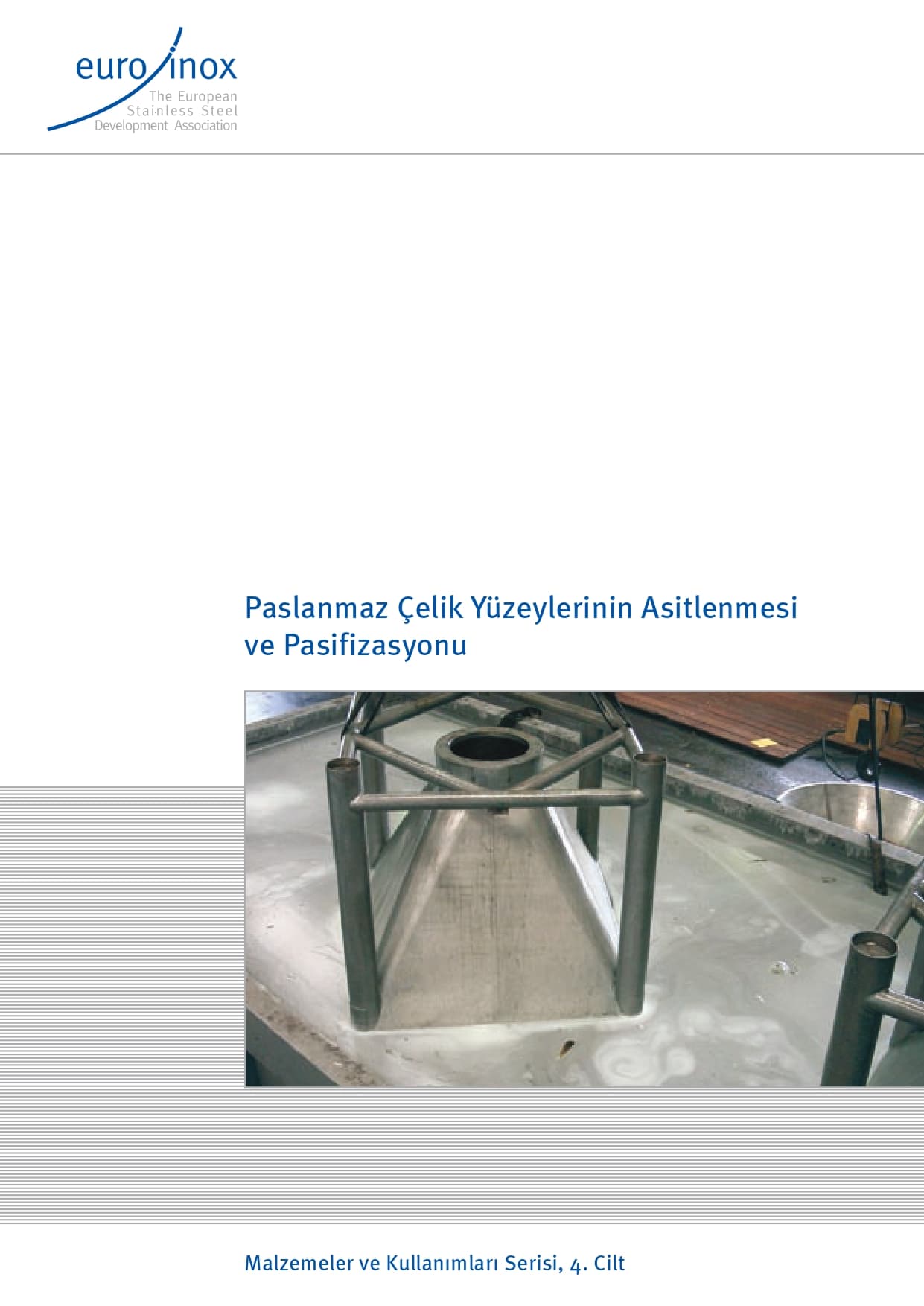
You can access stainless-steel documents via the links below.
Our Stainless Steel Products Range
We maintain a comprehensive inventory of the stainless steel products listed below. Custom and non-standard items can also be sourced to meet your specific application requirements.
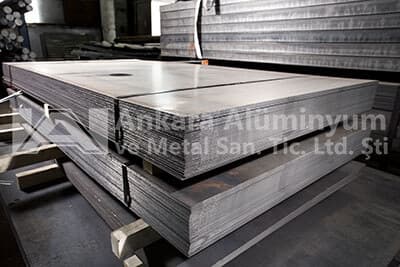
Stainless Steel Sheet
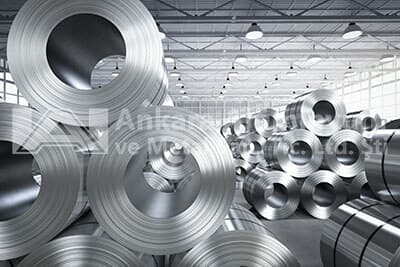
Stainless Steel Coil
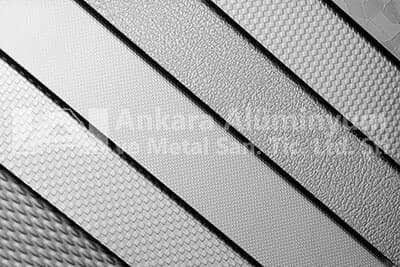
Decorative Stainless Steel Sheet
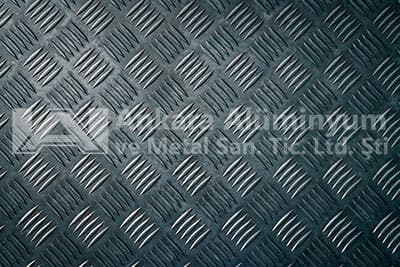
Stainless Steel Checker Plate
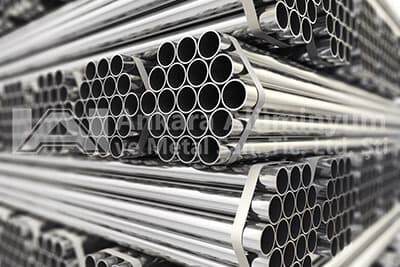
Stainless Steel Tube
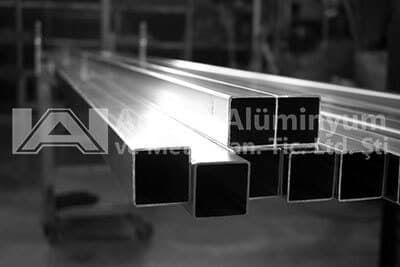
Stainless Steel Square Tube
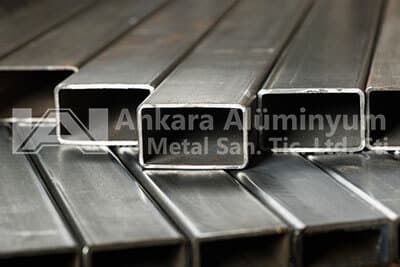
Stainless Steel Rectangular Tube
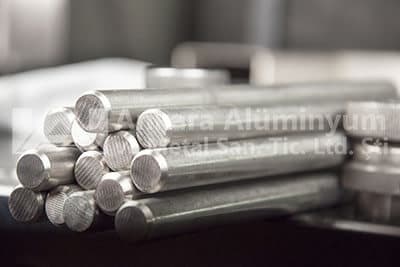
Stainless Steel Round Bar
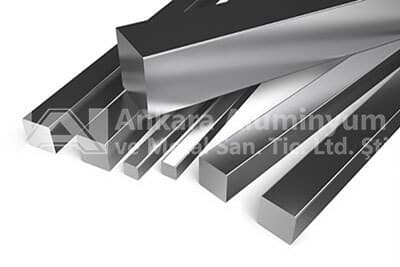
Stainless Steel Square Bar
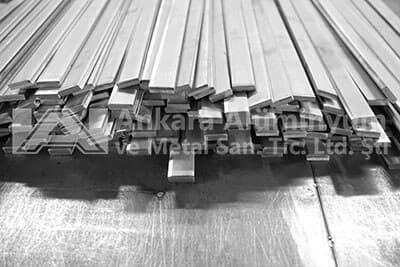
Stainless Steel Flat Bar
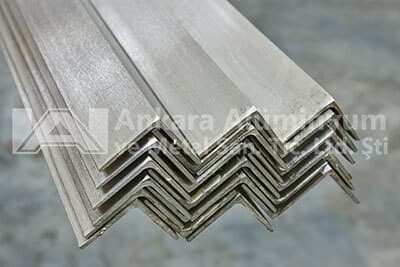
Stainless Steel Angle Bar
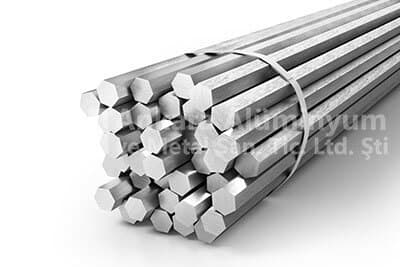
Stainless Steel Hex Bar
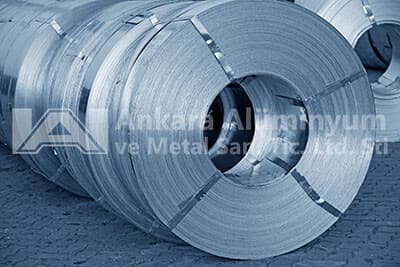
Stainless Steel Strip
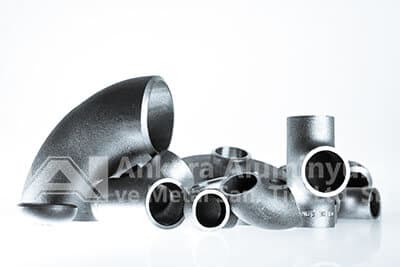
Stainless Steel Fittings
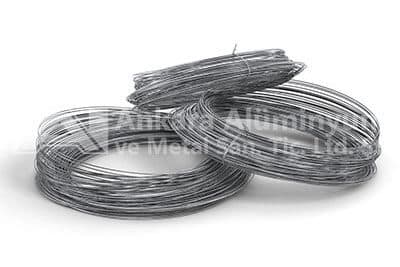
Stainless Steel Wire
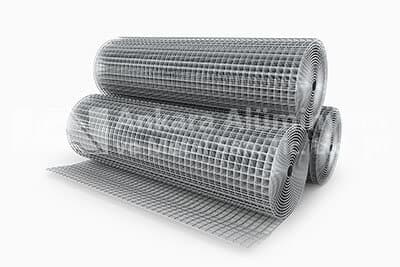
Stainless Steel Wire Mesh